



Real Estate
Make investments in single-family, multi-family, syndicates, and more!
An alternative investment is anything outside of stocks, bonds, and mutual funds. An alternative investment might be purchasing rental real estate or investing in a cool new startup, and those are just two examples in a universe of possibilities.

Stocks and bonds are good assets to add to a portfolio, but there are several other types of alternative assets that can diversify your retirement funds.
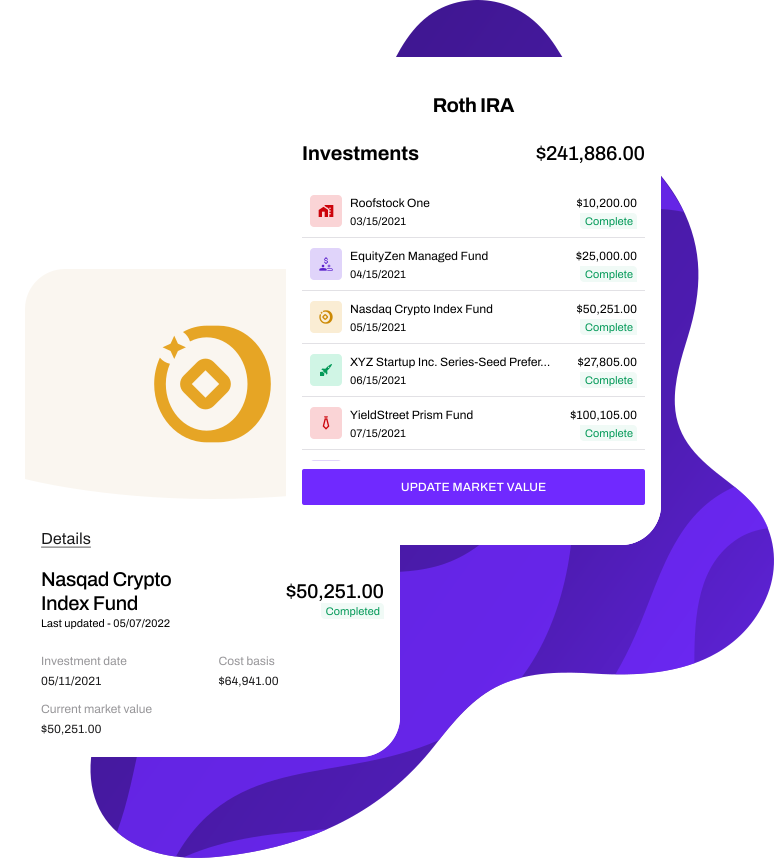
Have a cool investment in mind? With a Rocket Dollar IRA, you're free to invest in what you want. If you already know the investment you want to make with your Rocket Dollar IRA, our team will help you open, fund, and invest in whatever you want with your new account.

Our support team is here to make sure that your account is opened, funded, and invested. We know that questions come up, and our team is here to make sure you're confident and secure.

Need help finding the right Self-Directed account? We're here to help.


Make investments in single-family, multi-family, syndicates, and more!

All the upside, none of the tax headaches!

Historically one of the best hedges against market volatility and uncertainty.

Make a loan using your IRA, and payments go right back to your IRA!

Help a small business get off the ground, and enjoy no taxes when it takes off.

Portfolio diversification with high-risk, high-return investments unaffected by the public market.

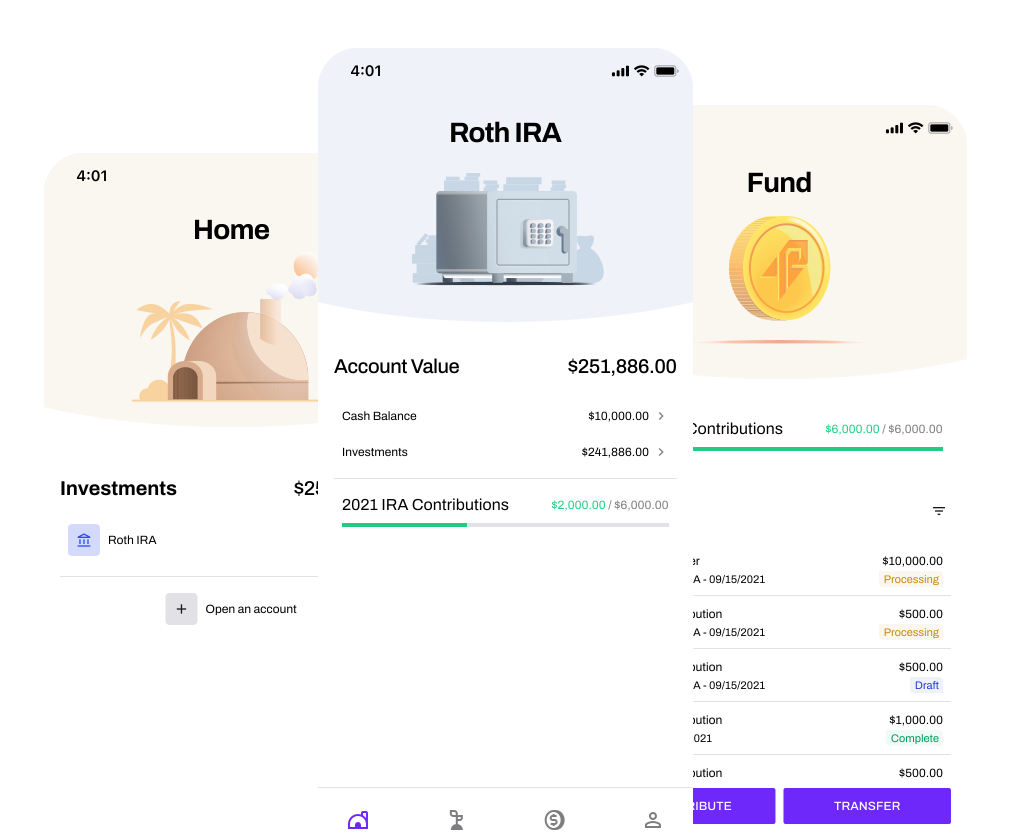
Choose the right account for you and sign up in under 5 minutes—completely online.

Fund your account in just a few short days. Our support team is here to help initiate rollovers.

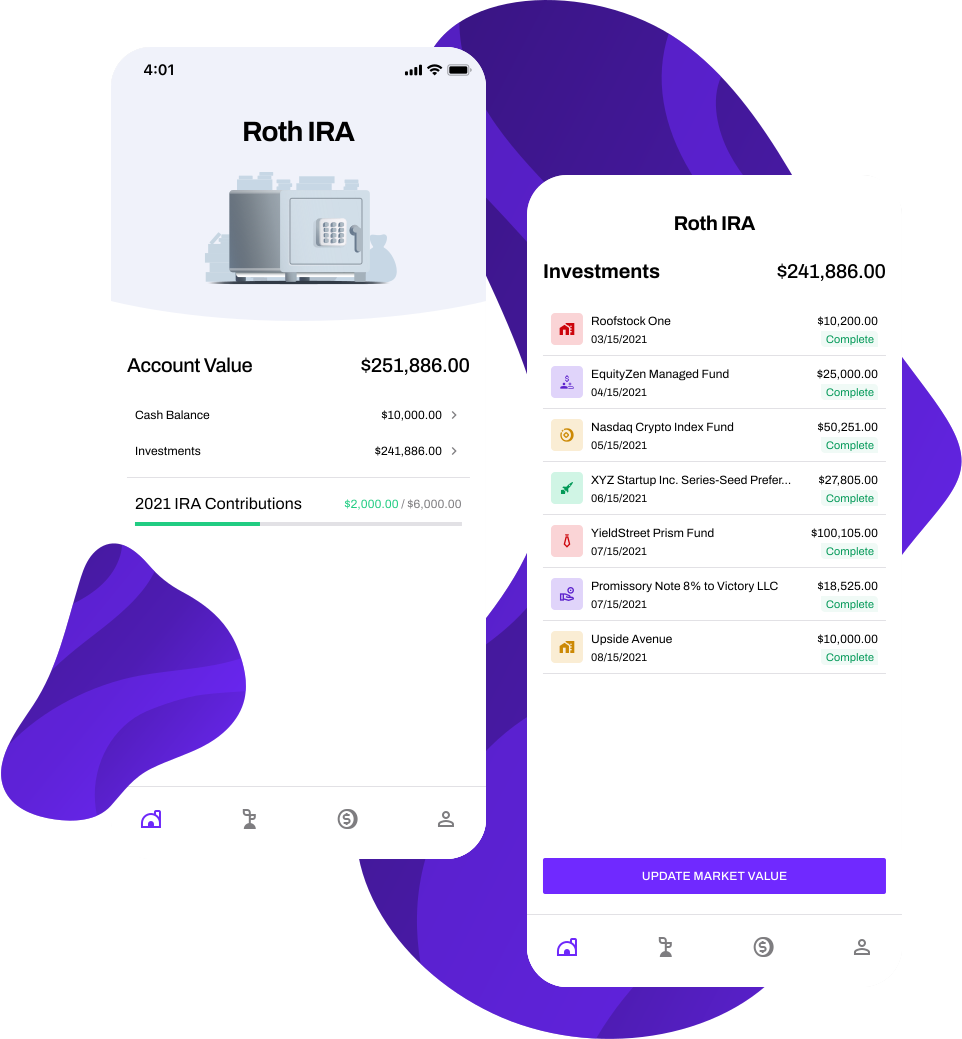
From there, diversify. Making investments is as simple as writing a check—track it all on your dashboard.